The Importance Of Proper Drainage In Earthworks Across Central Queensland
Getting the levels right is the foundation of any successful build, which is why professional earthworks in Rockhampton starts with a proper drainage and grading plan. In Central Queensland, where summer rainfall can be intense and the Fitzroy River catchment covers an enormous area, poorly planned drainage on a residential or rural site is not just an inconvenience. It is a direct risk to the structure, the site and the investment made in getting the block ready to build on.
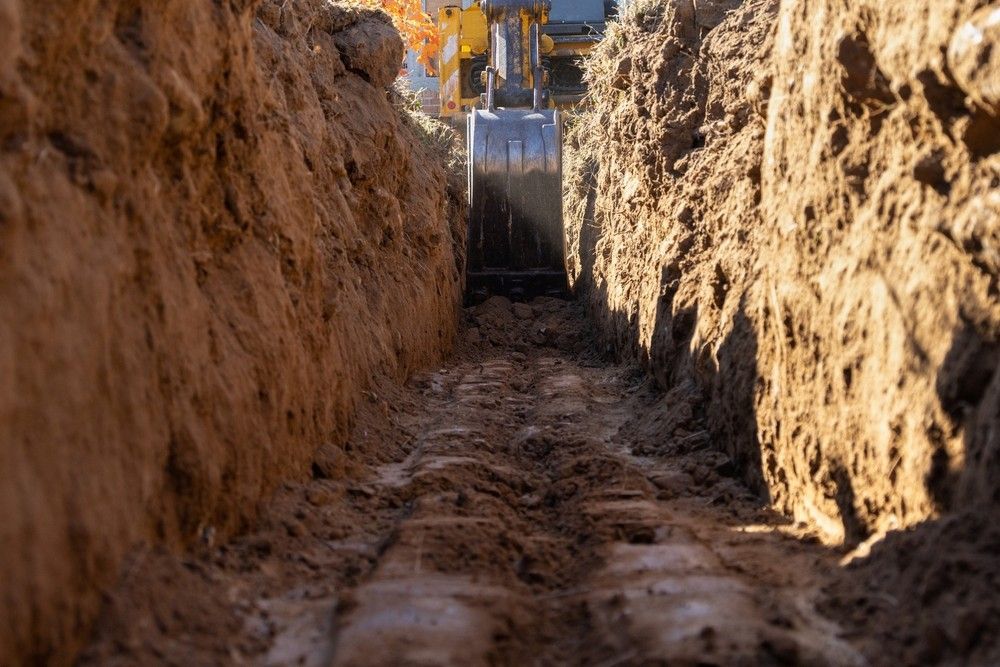
Why Drainage Is Critical In Central Queensland Earthworks
Central Queensland’s climate presents earthworks challenges that are different in character to those in drier southern regions. The wet season delivers concentrated rainfall events that can saturate the ground quickly, and the Fitzroy River basin has a documented history of significant flood events that affect properties well beyond the immediate riverbank. For residential blocks and rural properties across the Rockhampton region, the question is not whether water will be an issue, but where it will go when it arrives.
Drainage planning in earthworks is about controlling the movement of that water from the moment it hits the site. Water that is directed away from foundations, structures and access ways by correct site grading is managed water. Water that pools against a foundation, collects in low points near structures or overwhelms a poorly designed cut-and-fill profile becomes a structural and maintenance problem that compounds over time.
How Correct Site Grading Protects Your Property From Water Damage
Site grading is the process of shaping the ground surface to achieve the falls and levels required for water to move away from structures and toward designated drainage points. A properly graded residential block ensures that stormwater flows toward the street, a drain, a creek line or a purpose-designed retention area, rather than sitting against a slab edge or pooling in a way that saturates subgrade soils.
The consequences of inadequate grading on a building site are consistent and well-documented in the earthmoving industry. Water that collects around the perimeter of a slab exerts hydrostatic pressure on the edge and underslab fill, which over time contributes to moisture infiltration, subfloor dampness and, in reactive clay soils like those found across much of Central Queensland’s hinterland, differential movement under the footing. What begins as a drainage oversight at the earthworks stage becomes a footing repair issue years later.
The Link Between Poor Drainage And Erosion
Erosion is the direct physical consequence of water moving across exposed ground without control. On a freshly earthworked site where vegetation has been removed and fill placed, the soil surface is vulnerable to concentrated surface runoff, particularly in the heavy rainfall events that Central Queensland receives through the summer months.
The mechanisms through which poor drainage leads to erosion on a building site include:
- Sheet erosion from uncontrolled surface runoff across graded areas that have not yet established groundcover
- Rill and gully formation where concentrated runoff creates channels through fill material, undermining the stability of the graded surface
- Scour at drain outlets and discharge points where uncontrolled velocity strips material from the receiving ground
- Undermining of embankments and cut faces where water infiltrates the slope face and reduces shear strength
Controlling these mechanisms requires that drainage is considered as part of the initial earthworks design, not addressed after the first significant rain reveals where the problems are.
Common Drainage Issues On Rockhampton Building Sites
From earthmoving work across the Rockhampton and Central Queensland region, a number of drainage issues appear repeatedly on sites where planning was insufficient or where previous earthworks were carried out without proper grading consideration.
The most frequently encountered problems include:
- Low points created by cut-and-fill operations that were levelled for building purposes but left without an outfall, so water that enters the area cannot leave without pumping
- Fill material placed without adequate compaction, which settles differentially under load and creates the depressions that become drainage sumps over time
- Driveway and access road crossings that obstruct natural surface flow paths, creating ponding on the uphill side of the crossing after rain events
- Inadequate fall on graded surfaces, leaving water sitting against structures or in low points on paved and unpaved areas where falls are marginal
- Proximity to drainage lines and watercourses that become active during flood events, affecting sites that appear adequately elevated during normal conditions
Drainage And Grading Solutions Used In Earthworks
Earthmoving contractors working on drainage problems across Central Queensland apply a range of techniques depending on the nature of the site, the soil types present, the volume of water to be managed and the proximity of any structures or services. The starting point is always the same: understanding the natural surface flow paths on and around the site before any cut or fill takes place.
Common solutions include cut drains and batter drains to intercept runoff from higher ground before it reaches a structure, shaped swales that direct surface flow to a defined outfall, subsoil drainage systems installed below finished surface levels to intercept and redirect subsurface water, and engineered fill profiles that ensure positive drainage falls are maintained as the site settles.
On flood-prone rural blocks in the Fitzroy catchment, well-built levee banks work alongside good grading to keep flood-level water away from homes, sheds and stock infrastructure.
Good grading and drainage is one part of preparing a site for construction. You can read more about the full range of excavation services that go into getting a block build-ready.
Why Experienced Earthmoving Contractors Get Drainage Right
Drainage outcomes in earthworks are a direct function of the operator’s understanding of the site and the region. An experienced contractor working in Central Queensland has seen what happens to poorly graded sites across multiple wet seasons. They understand the specific soil types that occur across the Rockhampton hinterland, the reactive clays that dominate many residential subdivision areas, the behaviour of fill materials under Central Queensland’s seasonal wetting and drying cycles, and the flow characteristics of the catchments that affect rural properties in the region.
This accumulated knowledge translates into practical decisions during earthworks: where to put the surplus material to maintain positive falls, how steep to grade surfaces to achieve drainage without creating erosion, where to locate an outfall to avoid creating a problem downstream. These judgements are built from experience, not from applying a standard approach developed for different conditions elsewhere in the country.
Working with experienced earthmoving contractors in Rockhampton means drainage is planned from the outset rather than fixed after the damage is done. The cost of getting it right at the earthworks stage is consistently less than the cost of remediation after a wet season reveals where the gaps were.
Earthworks And Drainage Planning In Central Queensland
Mike Barlow Earthmoving provides earthmoving and site preparation services across Rockhampton and the surrounding Central Queensland region, including grading, drainage, cut-and-fill, dam construction and levee bank work for residential, rural and civil projects.
Contact us to discuss your site and what drainage planning your project requires.