Residential Vs Commercial Earthmoving In Rockhampton: What's The Difference
If you've ever stood on a block of land and tried to figure out exactly what it needs before construction can begin, you'll understand why so many property owners and developers find themselves searching for answers before they search for a contractor. The work might look the same from the roadside — machines moving earth, ground being shaped — but the reality beneath the surface is considerably more nuanced.
Earthmoving in Rockhampton spans a wide spectrum of project types, from preparing a house pad for a new family home to levelling hectares of ground ahead of a major commercial development. Understanding where your project sits on that spectrum isn't just an academic exercise. It shapes the equipment required, the timeframes involved, the permits you'll need to secure, and the experience level you should be looking for in a contractor. Here's what you need to know before the first bucket hits the ground.
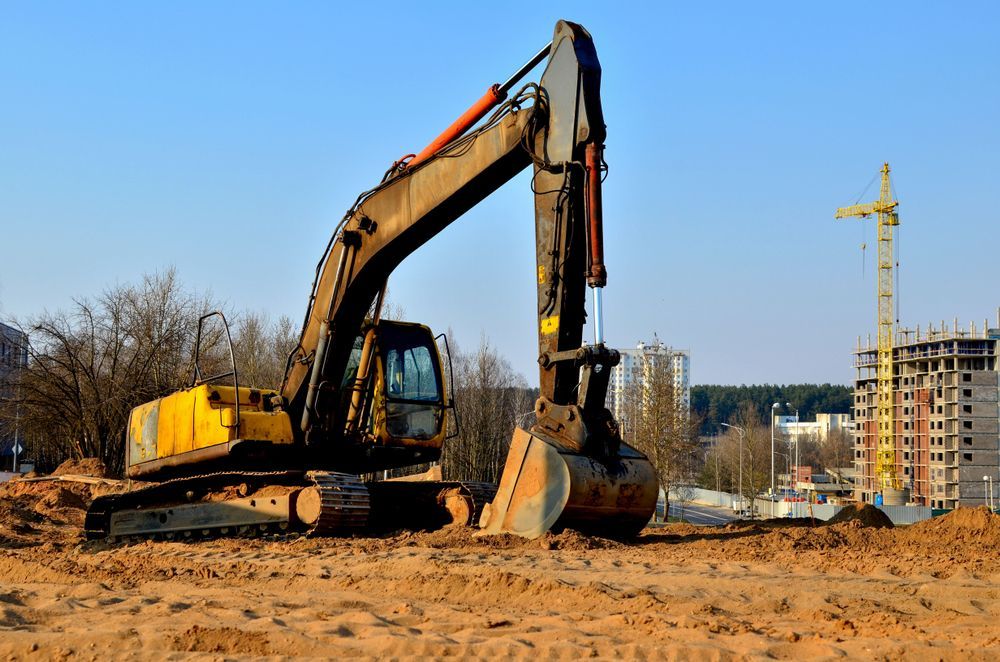
Scope and Scale: More Than Just a Size Difference
The most obvious difference between residential and commercial earthmoving in Rockhampton is scale, but that alone doesn't tell the full story. A residential project — say, preparing a house pad for a new build in a suburb or on a rural block — typically involves a contained scope. The work centres on a defined footprint: cutting and filling to achieve a level platform, managing surface drainage, and ensuring the prepared surface meets engineering specifications for a slab or stumped foundation.
Commercial projects operate on an entirely different level of complexity. Site preparation for a retail development, industrial facility, or infrastructure project doesn't just involve more dirt — it involves coordinating multiple earthworks tasks simultaneously across a much larger area. This might include:
- Bulk earthworks and grading across the entire development footprint
- Excavation for drainage infrastructure, retention systems, and service corridors
- Roadwork construction and access track preparation within the site
- Levee bank construction or stormwater management earthworks
Understanding the true scope of your project from the outset is what allows an experienced earthmoving contractor to provide an accurate assessment — and build a realistic plan.
Machinery Requirements: Matching Equipment to the Task
The machinery used on a residential job and a commercial site aren't always the same, and selecting the right equipment matters for both efficiency and site safety. For a typical house pad preparation or small-scale land clearing job, compact machinery and agile equipment can navigate tighter access conditions, work close to existing structures, and minimise disturbance to surrounding ground.
Commercial and industrial projects generally demand a heavier and more diverse fleet. Large-scale earthmoving in Rockhampton — particularly for developments tied to the region's mining and resources sector — requires heavy-duty dozers, scrapers, and graders capable of moving significant volumes of material efficiently. The machinery needs to be suited not just to the volume of work, but to the ground conditions involved.
Central Queensland's soil profiles vary considerably. Basalt-derived soils common across parts of the region can present very different challenges to the sandy loams found closer to the coast. Key machinery considerations include:
- Equipment weight and footing requirements for reactive or wet soils
- Dozer and scraper capacity for bulk earthworks versus precision grading
- Excavator sizing for trenching, cut-and-fill, and fine shaping work
- Machinery fleet depth to ensure no single breakdown derails the project schedule
Getting the equipment selection right from day one avoids costly delays and rework.
Timeframes and Project Management
A residential earthworks job — preparing a house pad, clearing vegetation from a rural block, or constructing a small dam — is often measured in days. Depending on site access, existing ground conditions, and the volume of cut or fill required, a well-organised residential project can be completed within a tight window. That predictability matters to homeowners working around builder schedules and finance timelines.
Commercial earthworks timelines are inherently more variable, and managing that variation is where contractor experience becomes critical. A commercial site preparation project may span weeks or months, involve multiple contractors working in sequence, and need to coordinate earthworks around drainage, civil works, and construction milestones. Delays at the earthmoving stage can compound through the entire project program.
Effective project management for commercial earthmoving in Rockhampton typically involves:
- A clearly defined scope and program of works before mobilisation
- Regular site inspections and progress reporting to the principal contractor or developer
- Flexible scheduling to accommodate unforeseen conditions — from unexpected fill material to weather interruptions
- Coordination with civil engineers and surveyors to verify levels and gradients throughout the works
For both residential and commercial clients, working with a contractor who communicates clearly and keeps a job on schedule is worth more than the headline hourly rate.
Regulatory Considerations: What the Rules Require
Regulatory requirements differ between residential and commercial earthmoving projects, and being across these differences from the start can save significant time and cost. On the residential side, house pad preparation and smaller land clearing jobs typically require council approval in line with local planning and building codes. In Queensland, vegetation clearing on rural land is subject to state-level regulation, and certain works near waterways or on land with environmental values will require permits before any machinery is mobilised.
Commercial projects bring a more complex regulatory environment. Development approvals, environmental management plans, and compliance with workplace health and safety legislation all become more demanding as project scale increases. Mining-related earthmoving carries its own specific compliance framework under Queensland's resources sector regulations. Key regulatory areas to address for commercial works include:
- Development approval conditions attached to the site's approval documentation
- Environmental authority conditions relating to vegetation clearing, dust, and stormwater management
- Workplace health and safety obligations for plant operators and site personnel
- Noise and working hours conditions imposed by local government
Experienced earthmoving contractors in Rockhampton understand these requirements and work with clients to ensure all necessary approvals are in place before work begins — protecting both the project timeline and the client from compliance exposure.
Why Local Experience Matters for Both Project Types
Whether the job is a house pad in a new estate or a bulk earthworks package for a commercial development, local knowledge is an asset that can't be replicated by a contractor unfamiliar with the region. Central Queensland presents specific conditions — clay-heavy soils that shrink and swell, wet season rainfall that can change site conditions rapidly, and remote rural properties where access logistics require careful planning.
For residential clients, a contractor with genuine local experience can assess a site quickly, anticipate drainage and compaction requirements, and deliver a prepared platform that meets the structural requirements of the build. For commercial clients, that same local knowledge translates into better risk assessment, more accurate programming, and fewer surprises during execution.
The type of project doesn't change the value of working with a contractor who has actually worked the ground in this region. It simply changes the scale at which that experience is applied.
Ready to Talk About Your Project?
We at Mike Barlow Earthmoving work with residential property owners, rural landowners, and commercial developers right across the Central Queensland region — and we understand that no two sites in this part of the world are exactly alike. Whether you're preparing a house pad on a Rockhampton block, clearing a rural property out toward the Highlands, managing drainage on an acreage, or scoping a larger commercial or industrial development, we're happy to come out, assess the site, and give you a clear picture of what's involved.
Rockhampton's soil conditions, seasonal rainfall patterns, and diverse project types mean that practical, on-the-ground experience matters — and that's what we bring to every job. Call us on (07) 4934 4229 to enquire about our services.