What to Expect from Professional Earthmoving in Rockhampton
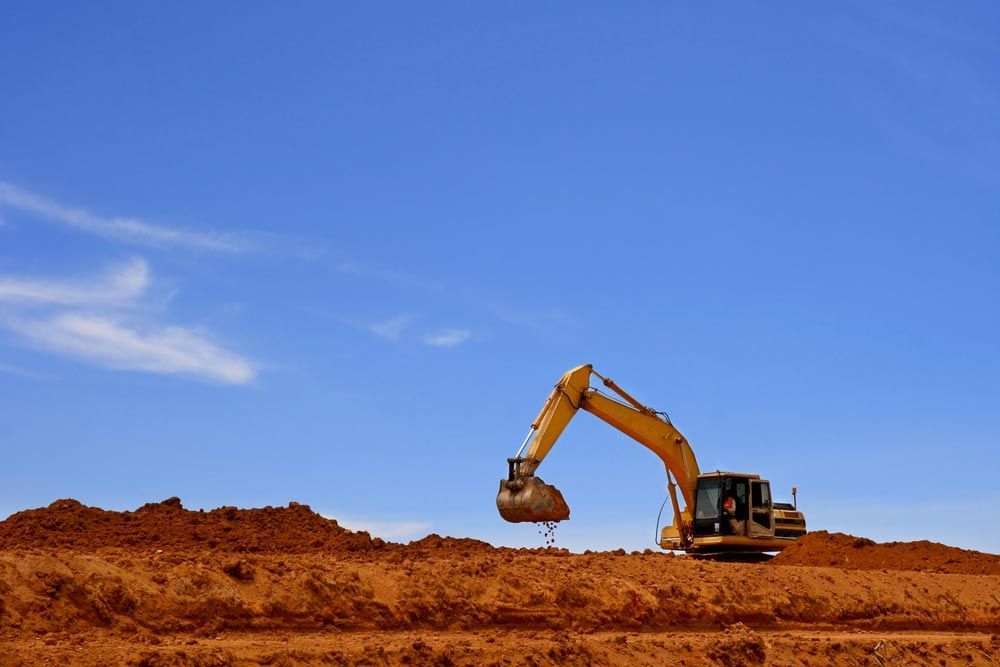
Earthmoving can look simple from the outside: machines arrive, soil moves, the site looks different by the end of the day. In reality, good earthworks are planned work. Levels, drainage, access, safety and finish quality all matter, and small decisions early on can affect the speed and cost of the whole job.
If you’re organising earthmoving in Rockhampton for a house pad, shed site, driveway, trenching, or a larger civil-style project, it helps to know what the process typically looks like. This guide sets realistic expectations so you understand the steps, the timelines, and what information helps earthmoving contractors in Rockhampton quote accurately and start smoothly.
The First Call: Site Details and What Earthmovers Need to Know
The first conversation is where the job is shaped. The more clearly you can describe what you need and why you need it, the easier it is to confirm scope and avoid surprises later. Earthmoving is rarely priced on “a quick look” alone. It’s priced on what needs to be achieved, what the ground is like, what machinery is required, and how accessible the site is.
Expect to be asked about the type of project (house, shed, driveway, drainage, trenching, clearing), rough dimensions, and your timeline. You’ll also be asked about access for machinery and trucks, whether there are services on the site, and whether you have any plans or drawings. Useful details to share upfront include:
- The site address and whether there are access constraints (gates, driveways, slopes, narrow entries)
- What you want built afterward (pad for a shed, slab, driveway base, landscaping levels)
- Whether you need material removed, imported, or both
- Any known services (water, power, sewer, stormwater) and where they run
- Whether a survey, plans, or desired levels are available
The better the first call, the smoother the quote process tends to be for earthworks in Rockhampton.
Site Inspection and Quoting: How Scope Is Confirmed
Most professional jobs involve a site inspection before the final price is confirmed. This is where the practical variables are identified: ground conditions, fall and drainage, access for plant, and what will be required to achieve the finish. A site inspection often checks:
- Soil type and how it’s likely to behave when cut or compacted
- Existing levels, low spots, and drainage paths
- What obstacles exist (trees, stumps, rocks, old fill, retaining edges)
- Whether spoil can be stockpiled on site or needs removal
- Where trucks can enter, turn, and exit safely
Quoting is usually clearer when there’s a defined outcome, not just “move some dirt”. For example, “level and compact a pad to a certain size and finish” is easier to price than “flatten the backyard”. If you have plans, a set-out, or levels, provide them early. Earthmoving contractors in Rockhampton can work faster and more accurately when the target outcome is clear.
Common Earthmoving Jobs Around Rockhampton
Earthmoving covers a wide mix of jobs, and the scope can range from a half-day tidy-up to multi-stage works over weeks. Many projects in Rockhampton involve preparing sites for construction and managing water flow so the finished area holds up through weather changes. Common earthmoving jobs include:
- House pads and site cuts for new builds
- Shed pads and slab preparation
- Driveway excavation and base preparation
- Trenching for services (water, power, stormwater, sewer where applicable)
- Drainage works and reshaping ground for runoff control
- Clearing, grubbing, and site clean-ups
- Dam, pond, or rural earthworks depending on property type
- Landscaping bulk cut and fill before finer shaping
The key is that “earthmoving” is often a sequence. A job may involve clearing first, then bulk cut and fill, then compaction and trimming to final levels. Understanding that sequence helps set expectations on timing and cost for earthmoving in Rockhampton.
Machinery Used and Why It Matters
The equipment chosen affects speed, finish quality, and overall cost. Using the right machine for the job is not about going bigger for the sake of it. It’s about matching the plant to the ground conditions, access, and the finish required. Typical plant used in earthworks includes:
- Excavators for digging, trenching, shaping, and loading
- Skid steers or track loaders for moving material and trimming
- Dozers for bulk pushing and shaping over larger areas
- Graders for fine shaping and achieving smooth levels
- Rollers or compactors for compaction and base preparation
- Tippers and trucks for spoil removal and material import
A tight-access residential job may rely on smaller machines and careful planning. A larger block or commercial site may justify heavier plant for faster production. A professional crew will choose equipment based on what delivers the outcome safely and efficiently.
Typical Timelines: What Affects How Fast Work Moves
Timelines vary because earthmoving is influenced by variables you can’t always see at the start. A simple pad can sometimes be completed quickly if access is easy, the soil is workable, and there’s minimal spoil to remove. A similar-sized job can take longer if rock is encountered, access is limited, or wet ground slows compaction. Factors that commonly affect timelines include:
- Volume of cut and fill required
- Amount of spoil removal and trucking time
- How much imported material is needed
- Soil conditions and moisture content for compaction
- Access constraints and traffic management needs
- Whether multiple stages are required (bulk works, compaction, trimming, drainage)
For planning, it helps to think in stages: inspection and quoting, scheduling and mobilisation, bulk works, finishing and compaction, then clean-up. Earthmoving contractors in Rockhampton can usually provide a practical estimate once the scope is confirmed, but weather and ground conditions can still shift that plan.
Soil, Access and Weather: The Variables That Change Plans
Three things change earthmoving plans more than anything else: soil, access, and weather.
Soil affects everything from how easily material can be cut to how well it compacts. Some soils cut cleanly and compact reliably. Others may be reactive, loose, or moisture-sensitive, which can require extra steps to achieve a stable base. Unknown fill can also create surprises like buried rubble or inconsistent compaction.
Access affects what machinery can be used, how fast trucks can load and leave, and whether material can be stockpiled. Limited access can increase time and cost because smaller machines may need more passes.
Weather influences both safety and quality. Wet conditions can slow work, create bogging risk, and reduce compaction quality. In some cases, pausing for better conditions is the right call to avoid building on unstable ground. Good earthworks in Rockhampton often includes making practical decisions around timing so the finished outcome holds up, not just looks good on the day.
Safety, Levels and Finish Quality: What “Done Right” Looks Like
Professional earthmoving is measured by the finish, not just the effort. “Done right” usually means the site is safe, levels are correct, drainage is considered, and the base is suitable for whatever is being built next. Key signs of quality include:
- Correct levels relative to plans or agreed site markers
- Smooth transitions and consistent falls for drainage
- Proper compaction where required, especially under slabs and driveways
- Safe batters and edges, with attention to stability
- Clean site management, including spoil placement and access control
Safety is part of quality. Earthmoving sites involve moving plant, trucks, and changing ground conditions. Professional crews manage exclusion zones, spotter needs, and safe access for other trades. If you’re comparing earthmoving contractors in Rockhampton, look for clear communication about safety, site preparation, and what the finished standard will be.
How to Prepare Your Site for a Smooth Start
You can help your earthmoving job run faster by preparing the site before machines arrive. Preparation reduces delays, protects services, and keeps the scope clear.Practical preparation steps include:
- Make access clear for machinery and trucks (gates unlocked, obstructions moved)
- Mark known services if you have plans or previous set-outs
- Confirm where spoil can be stockpiled if it’s staying on site
- Identify any items to protect (fences, trees to retain, irrigation, tanks)
- Share any council or project requirements that affect the work
- Confirm who is responsible for set-out and levels if precision is required
If your project relies on specific finished levels, organise a survey or clear reference points. That helps earthworks in Rockhampton proceed with fewer stop-start moments and reduces the risk of rework.
Ready to Get Your Site Moving?
We at Mike Barlow Earthmoving help clients plan earthmoving in Rockhampton with clear scope, practical timelines, and a focus on safe, reliable site outcomes. If you need earthmoving contractors in Rockhampton for a pad, driveway, trenching, or broader earthworks in Rockhampton, contact us to discuss your project and organise a site inspection and quote.